The Myth of Guaranteed Winning Strategies
Many individuals believe that they can find a surefire way to win at casino games, often seeking out “winning strategies” that promise consistent profits. This myth is prevalent among gamblers, especially those new to the scene. In reality, most casino games are designed with a built-in house edge, meaning that over time, the casino will always have a statistical advantage. Games like slots, blackjack, and roulette come with odds that favor the house, and many people turn to innovative platforms like new betting sites for their gambling experiences, making it impossible to guarantee a win consistently.
A common misconception is that betting systems, such as the Martingale strategy, can overcome the house edge. While these systems can produce short-term wins, they ultimately lead to significant losses. For instance, in a Martingale strategy, players double their bet after every loss, which can quickly escalate to large sums, risking substantial financial loss. Understanding that each game round is independent and random is crucial for a realistic approach to gambling.
Moreover, promotional materials and advertisements often exacerbate this myth by showcasing lucky winners, creating a false narrative that anyone can win big. The success stories highlighted in media fail to represent the vast majority of players, who often walk away with losses. Recognizing the role of chance and luck in gambling can help players set realistic expectations when they enter a casino environment. By debunking the myth of guaranteed winning strategies, individuals can approach their gambling activities with a clearer understanding of the odds and outcomes.
The Illusion of Control
Another widespread myth is that players can control the outcomes of games through various methods or “lucky rituals.” Gamblers often engage in specific behaviors, such as wearing lucky clothing or performing a ritual before placing a bet, believing these actions can influence the game’s result. However, the outcomes of most casino games, especially those involving random number generators, are determined by chance, making any perceived control purely psychological.
This illusion of control can lead players to misinterpret their results. For example, if a player enjoys a winning streak after wearing a certain hat, they might attribute their success to that item, rather than acknowledging the randomness of the game. This belief can reinforce gambling behavior, as individuals may continue to gamble under the false assumption that they can influence results. It’s crucial to recognize that luck is the primary factor in casino games, and any perceived patterns are merely coincidences.

Understanding the mechanics behind games can help dispel this myth. For instance, slot machines use random number generators to ensure fair play, meaning that there is no pattern or strategy that can predict the outcome of any given spin. By focusing on the fact that outcomes are entirely random, players can adopt a healthier and more informed approach to gambling, reducing the potential for compulsive behavior and enhancing their overall enjoyment of the gaming experience.
The Myth of Time Spent in the Casino
Many players believe that the more time they spend in a casino, the better their chances of winning. This myth often encourages longer sessions at gambling tables or slot machines, leading to increased wagers and potential financial losses. The idea that staying longer equates to better odds is fundamentally flawed; in reality, the house edge is constant regardless of the duration of play. The longer players gamble, the more they are likely to encounter the house edge, which ultimately leads to losses.
The gambling experience can be enticing and immersive, with bright lights and sounds designed to keep players engaged. However, players often overlook the fact that their chances of winning do not improve simply by playing longer. For example, a player might start with a favorable outcome in their first few hours at the casino but ultimately lose the advantage as they play longer, contributing to the casino’s profits. Setting time limits can help mitigate potential losses while maintaining the enjoyment of the experience.
Finding a balance is essential for responsible gambling. Players should focus on setting budgets and adhering to them, rather than succumbing to the myth that extended playtime will yield better results. This approach can enhance the overall gaming experience without placing undue financial strain on individuals. By understanding that time spent does not equate to increased odds, players can make more informed decisions and enjoy their time in the casino responsibly.
The Concept of ‘Hot’ and ‘Cold’ Machines
The notion that certain slot machines or tables can be “hot” or “cold” is a prevalent myth in casinos. Players often believe that machines that have not paid out for a while are due for a win, while others that have recently paid out are on a losing streak. This misconception can heavily influence gambling strategies and decisions on which machines to play. However, this belief fails to consider that each spin in a slot machine is random and independent, fundamentally governed by probability.
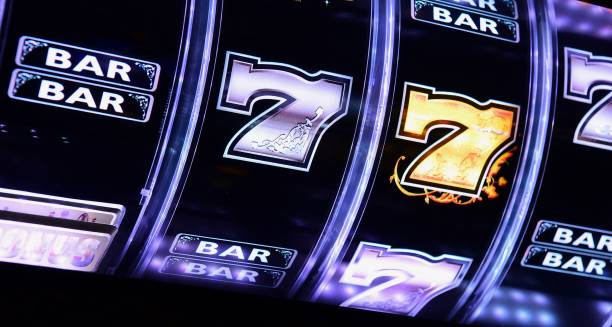
Moreover, casinos are aware of this myth and often exploit it through the placement of machines, ensuring that players continuously engage with them. A “hot” machine may simply be a product of random chance that players interpret as patterns based on limited observations. Ultimately, the concept of “due” payouts does not exist in the operation of random number generators, which means every player’s decision is based on unfounded assumptions. Recognizing the randomness involved in slot play can help mitigate the risks associated with these beliefs.
To foster a more grounded approach to gambling, players should recognize that their belief in hot and cold machines stems from a psychological need to find patterns in random events. By acknowledging the inherent randomness of slots, players can approach the games with a clearer mindset and avoid the pitfalls of chasing losses based on flawed logic. Understanding that each spin is independent can lead to a more enjoyable and less stressful gaming experience.
Understanding Gambling and Responsible Play
For those looking to engage in casino gambling, understanding the facts and dispelling common myths is crucial for a responsible gaming experience. Knowledge empowers players to make informed decisions, allowing them to enjoy the entertainment aspect of gambling without the detrimental effects of misconceptions. A responsible gambler recognizes the risks involved and sets limits on spending and time spent playing, ensuring that gambling remains a source of fun rather than a financial burden.
Fostering a healthy gambling environment is essential, and resources are available for individuals struggling with their gambling habits. Educational websites and support organizations can help players understand the importance of responsible gaming practices. Additionally, leveraging tools such as self-exclusion and budgeting can further enhance the gaming experience while minimizing potential risks. By prioritizing responsible gambling, players can enjoy their time in casinos without falling prey to the negative consequences of unhealthy gambling behaviors.
In conclusion, being aware of the common myths surrounding casino gambling can significantly alter a player’s approach and mindset. By demystifying these beliefs, players can navigate the casino landscape more effectively, finding enjoyment without falling prey to the traps these myths create. Embracing a responsible approach to gambling can lead to a more fulfilling and sustainable gaming experience, ensuring that players can enjoy their time while mitigating the risks associated with gambling.