There’s a particular rhythm to an Aussie casino floor, a mix of clinking glasses, low chatter, and the steady thrum of machines that never quite sleep. Whether you’re pulling up a stool at a Brisbane venue or spinning from the couch in Perth, the appeal of a well-built slot machine is hard to ignore. The symbols flash, the reels settle, and for a few seconds the whole room leans in. That’s the sort of moment that keeps people coming back, and it’s why the conversation around fun slots Aussie players chase never really cools down.
You don’t need a degree in probability to appreciate a good game, but you do need a sense of what actually makes a spin feel alive. The best machines balance bright presentation with honest mechanics, and they leave enough room for a player to read the room, set a limit, and walk away with their dignity intact. That balance is harder to strike than it sounds, especially when every operator is trying to outshine the next with bigger soundtracks and flashier bonus rounds.
What follows is a look at how the local scene has shaped the way we play, where the real entertainment hides, and why a bit of perspective goes a long way when you’re chasing a payout that might never come.
The Reel Culture Down Under
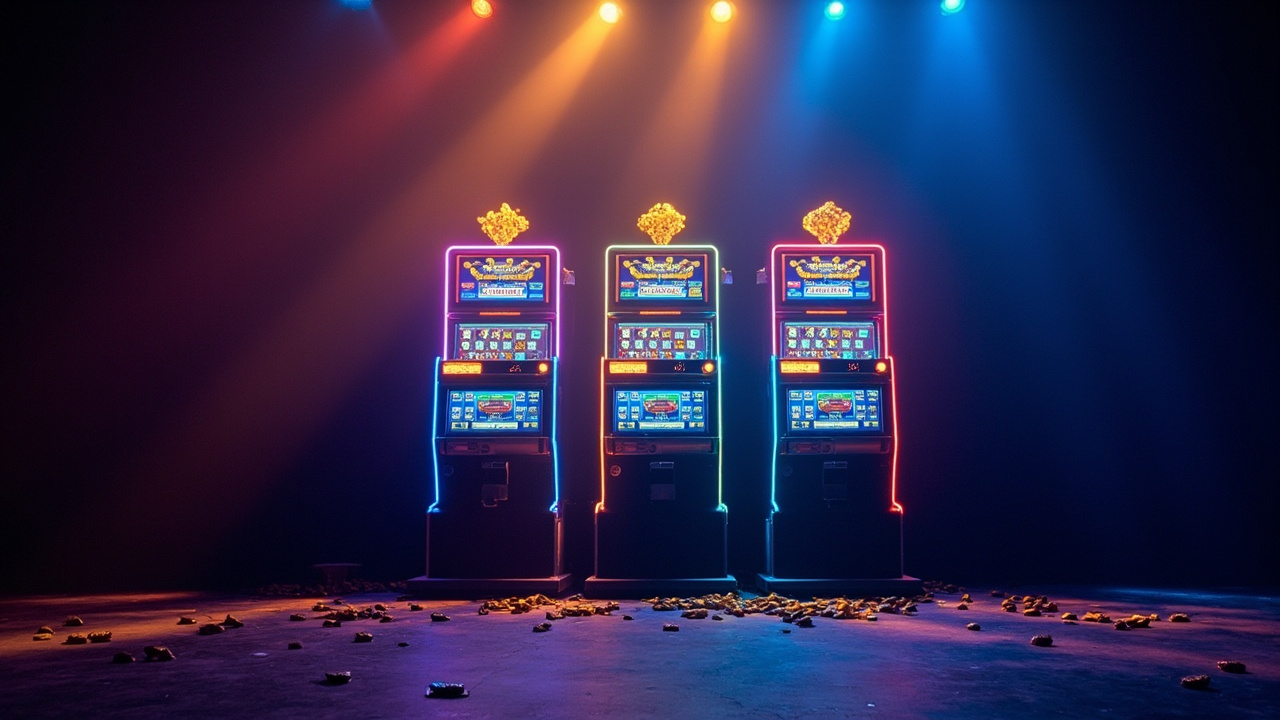
Australians have always had a soft spot for a game that rewards patience, and that instinct carries straight into the pokies room. The local market has matured past the days of simple fruit machines and one-trick bonus screens, though you’ll still find plenty of venues leaning on that familiar charm. A good slot today needs to feel like it belongs here, with themes that nod to the coast, the outback, and the kind of weekend rituals that happen between the pub and the punt.
The language of the floor has seeped into everyday speech, too.”Cash out” and “chips are down” both entered general English from gambling, and you hear them tossed around in conversations that have nothing to do with a card table. That kind of crossover says something about how deeply the culture runs. When a phrase survives outside the venue, it’s usually because it captures a feeling people recognise, and that feeling is exactly what a well-crafted reel tries to bottle.
Operators know the local appetite leans toward variety, which is why you’ll see a mix of low-variance machines for the steady grind and high-volatility titles that promise a bigger swing. The trick is matching the machine to the mood, because a game that feels like a lottery ticket on a bad night will drain a bankroll faster than anyone wants to admit.
Where the Fun Actually Lives
A lot of the satisfaction comes from the little rituals that surround a session, not just the spin itself. Some players like to warm up on a modest stake and watch the patterns build, while others prefer to jump straight into a feature round and let the noise do the talking. Either way, the fun slots Aussie crowds talk about tend to reward a bit of attention before the first credit is even spent.
You can spot the difference between a machine that’s just loud and one that’s actually engaging by watching how the bonus rounds are built. A decent feature will change the pace, add a fresh visual layer, and give the player something to track without turning the whole experience into a video game with a payout attached. When the pacing is right, the room stays interested even when the results are ordinary.
For readers who want to see how different platforms present their libraries, a quick look at a local-facing portal like elvis frog trueways can show how much thought goes into the way games are grouped and promoted. The presentation matters, because a cluttered menu can make a solid game feel like a chore before you’ve even pressed the button.
The Operator’s Take on Entertainment
Not everyone agrees that bigger spectacle equals better play. Some operators argue that a stripped-back machine with cleaner maths and fewer distractions is the healthier product, especially for a market that’s had to reckon with problem gambling for years. They’ll point to sessions that run too long, to players chasing noise rather than value, and to the way a flashy theme can mask a brutal return profile.
That viewpoint has real weight. A machine that keeps a player seated through sheer sensory overload isn’t necessarily delivering the kind of fun anyone would recommend after the fact. The people who design responsible sessions often prefer titles that give the player a clearer read on where they stand, with pacing that leaves room to step away instead of luring them deeper into the chair.
The counterargument is that a flat, clinical presentation can feel just as hollow if it never catches the imagination. A game needs personality, and personality costs money to build. The middle ground is usually the one worth watching: enough style to make the session memorable, enough restraint to keep the maths honest, and enough transparency to let a player make a call without guessing.
What Players Actually Want
Ask a cross-section of regulars what they’re after, and the answers tend to cluster around a few familiar points. Most want a game that starts cleanly, pays in a way that feels readable, and doesn’t hide the rules behind a wall of flashing icons. A good number also want themes that don’t feel imported wholesale from somewhere else, because a local flavour gives the whole thing a bit more credibility.
There’s also a growing appetite for sessions that can be squeezed into a proper night out rather than swallowed whole. People want to play, grab a meal, catch up with mates, and still have enough energy left to make a sensible call on when to stop. That’s a different design brief from the old “stay until the credits run dry” mentality, and it’s one the better venues have started to respect.
The players who stick around longest are usually the ones who treat the machines as entertainment first and a potential payout second. That shift in mindset changes everything, because it takes the pressure off each individual spin and lets the experience breathe. When the goal is enjoyment rather than rescue, the whole session feels less brittle.
The Regulator’s View on the Floor
Regulators in this country have never been shy about saying that entertainment and harm don’t always play nicely together. The local rules around signage, self-exclusion, and responsible messaging reflect a long history of trying to keep the fun from tipping into something darker. That’s not a killjoy stance so much as a practical one, because a venue that ignores the warning signs eventually answers to more than just disappointed punters.
The disagreement here is usually about emphasis. Some industry voices want the rules framed around personal responsibility and player choice, arguing that adults should be free to spend their money as they see fit. Others push for stronger guardrails, pointing to the way a fast-paced machine can blur the line between a casual session and a costly one before anyone has properly checked the clock.
Both sides have a point, and the truth tends to sit somewhere in the middle. A well-run floor can be lively and well-regulated at the same time, provided the operators are willing to treat the rules as a baseline rather than a nuisance. When that happens, the atmosphere stays upbeat without pretending the risks don’t exist.
How the Market Is Shaping Up
The competitive picture has changed enough that even the bigger names are paying attention to how their libraries look from the outside. A site that wants to stay visible needs to show range, keep its presentation tidy, and make sure the games actually suit the crowd walking through the door. That’s where a closer look at a comparison resource like atar-notes can be useful, because it lays out how different operators stack up without dressing the numbers in too much polish.
Joe Fortune sits among the leaders of the Australian market in that thefoxtailphotography.com kind of comparison, and the company’s presence reflects a broader shift toward venues that treat presentation and variety as part of the product, not just window dressing. The bigger operators know that a solid reputation comes from consistency, and consistency means showing up with a library that makes sense for the people actually playing it.
The wider industry conversation, including coverage from outfits like a regional gaming news outlet, keeps the pressure on for clearer standards and more honest marketing. That scrutiny isn’t always comfortable, but it does force the better operators to sharpen what they offer instead of relying on a big sign and a busy floor.
Independent voices like the regional gaming press have started asking harder questions about payout transparency and responsible advertising. When those inquiries reach mainstream audiences, operators who cut corners quickly find themselves on the wrong side of public expectation. That steady drumbeat of accountability ultimately rewards businesses that prioritize fair play over flashy gimmicks.
Picking the Right Machine for the Night
Choosing a game is less about chasing the loudest screen and more about matching the machine to the way you want to play. A few simple habits can make the difference between a session that feels like a proper night out and one that drags on long after the good bits have faded. The goal is to keep things enjoyable, which usually means setting a pace before the first spin and sticking to it when the room gets noisy.
- Start with a stake that feels comfortable rather than impressive, because a bankroll that keeps you relaxed is worth more than a flashy opening bet.
- Read the paytable before you commit, since a machine with a clear ruleset is easier to enjoy than one that hides its mechanics behind a wall of animations.Atar-notes
- Match the volatility to the evening, because a slow-paced game suits a relaxed drink while a faster title is better when you want a quicker rhythm.
- Use the venue’s responsible play tools if they’re offered, since a session limit is just a practical way to keep the night on track.elvis frog trueways
- Step away between features instead of riding every bonus round back-to-back, because a short break resets your sense of the pace.
- Treat the theme as entertainment, not as a promise, because a colourful setting doesn’t change the underlying maths.
- Leave with your dignity intact by deciding in advance what a good night looks like, rather than letting the last spin make the call for you.
A good slot session should feel like a proper bit of fun, the kind that leaves you talking about the night rather than counting the damage. That’s the standard worth aiming for, and it’s the one that keeps the whole business of playing reels from turning into something duller than it needs to be.