Cultural roots of casino gaming A journey through history and significance
Origins of Gaming in Ancient Civilizations
The history of gaming can be traced back thousands of years, with evidence suggesting that ancient civilizations such as the Chinese, Egyptians, and Greeks engaged in various forms of chance-based activities. For instance, the Chinese are known to have created rudimentary forms of gambling as early as 2300 B.C., with references to games of chance found in historical texts. These early games often held cultural significance, reflecting social hierarchies and the human fascination with luck and fortune, just as seen in the modern online offerings at queenplays.uk.

In ancient Egypt, gaming was not only a pastime but also a ritualistic activity often linked with deities. Artifacts like the Senet board, dating back to 3100 B.C., highlight how games served both recreational and spiritual purposes. Similarly, the Greeks developed games that allowed players to wager on outcomes, showcasing how gaming evolved alongside societal norms and values. This intermingling of leisure and spirituality laid the groundwork for modern-day casino gaming.
The intertwining of gaming with cultural practices in these early societies underscores the significant role that chance and luck played in human behavior. As civilizations advanced, so did the complexity of games. These ancient forms of gambling were not merely for entertainment; they often influenced social interactions and established community bonds. This rich history has shaped how contemporary societies view and engage in gaming, marking it as a crucial aspect of cultural heritage.
The Rise of Casinos in Europe
The establishment of formal casinos can be traced back to 17th-century Italy, where the first public gaming houses, known as “casini,” emerged. These establishments catered to the aristocracy, blending luxury with chance-based entertainment. The concept quickly spread throughout Europe, with cities like Venice and Monte Carlo becoming renowned for their opulent casinos. This evolution marked a significant transition from informal gaming to structured environments where individuals could engage in various games.
As casino culture flourished, different European nations introduced their unique games, which contributed to the casino’s diversity. The introduction of games such as baccarat in France and roulette highlighted the importance of innovation in gaming. During this period, casinos became social hubs, fostering a sense of community and enabling individuals from varying backgrounds to connect through the shared thrill of gambling.
The prominence of casinos in Europe also signified a shift in societal perceptions of gambling. No longer relegated to the shadows of society, these establishments became respected venues for entertainment. The relationship between casinos and the upper class cemented their significance as symbols of status and sophistication, paving the way for the burgeoning gaming industry we see today.
Cultural Significance of Gambling Across the Globe
Cultural perceptions of gambling vary widely across different regions, influenced by historical, religious, and social factors. In some cultures, gambling is viewed as a rite of passage, a way to connect with ancestral spirits, or even a form of entertainment that fosters community ties. For instance, in many Indigenous cultures, gaming serves as a social bonding activity that strengthens community cohesion and identity.
Conversely, in certain societies, gambling is met with skepticism or outright disapproval, often linked to moral or ethical concerns. This dichotomy shapes the regulations and frameworks surrounding gambling activities in different regions. Countries like Japan have a rich history of gambling rooted in traditional games, while others, such as the United States, have seen rapid commercialization, leading to a unique amalgamation of various cultural influences.
The global significance of gambling extends beyond entertainment; it reflects societal values and economic structures. The rise of online gaming has further diversified the landscape, allowing individuals from various backgrounds to engage in gambling while navigating cultural taboos. This blending of cultures showcases how gambling can transcend borders, forming connections between people across the world, all driven by a shared interest in games of chance.
The Modern Casino Experience
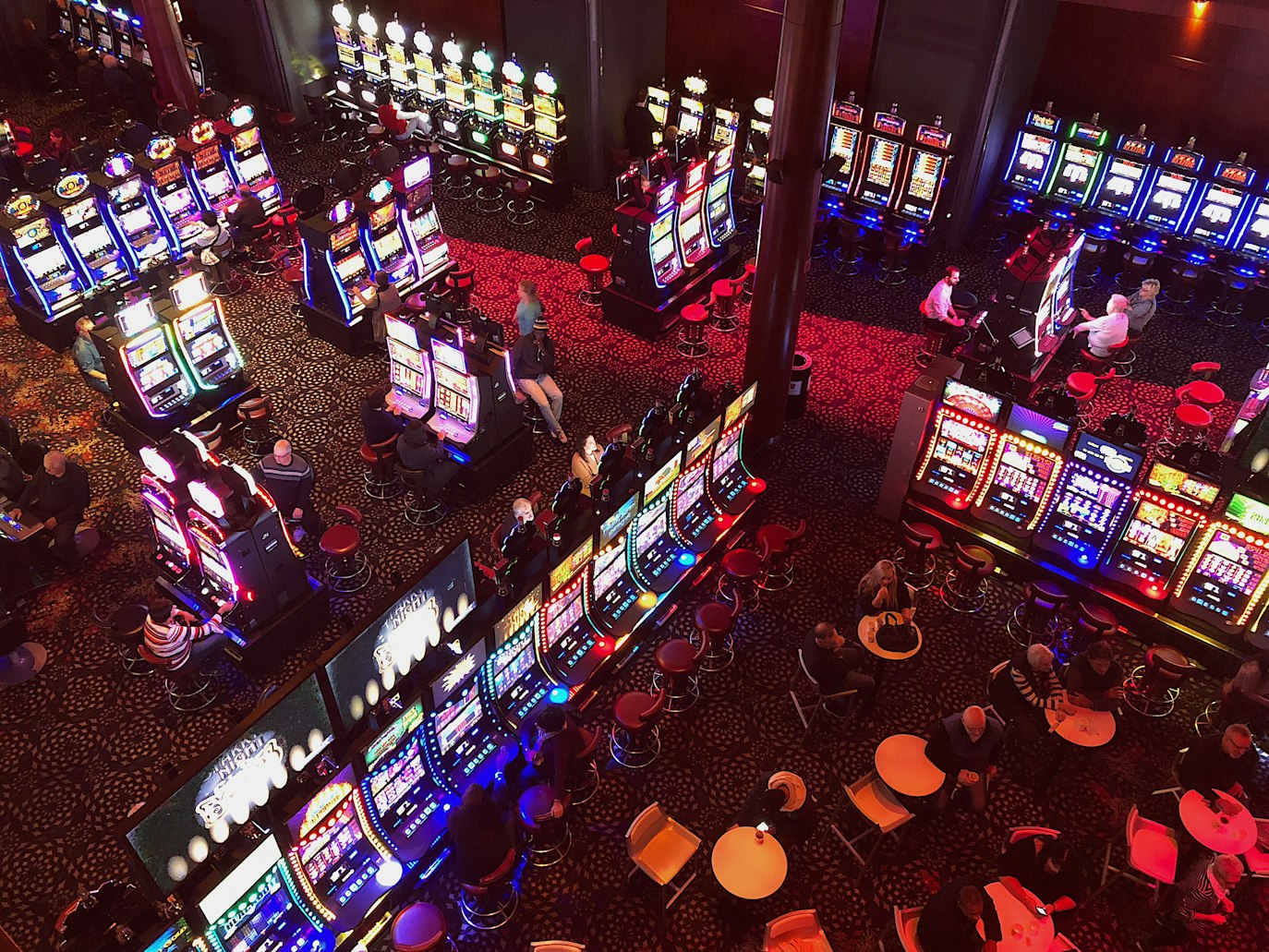
Today’s casino experience has evolved dramatically, driven by advancements in technology and changing consumer preferences. Modern casinos encompass not just traditional gaming tables and slot machines, but also offer a variety of entertainment options, including live shows, fine dining, and exclusive events. This diversification caters to a broader audience, transforming casinos into comprehensive entertainment complexes.
The rise of online casinos has revolutionized the gambling landscape, providing users with the ability to engage in gaming from the comfort of their own homes. This digital transformation has also influenced traditional casinos, prompting them to adapt and incorporate online elements into their offerings. For many players, the convenience of online gaming paired with the allure of live dealer options creates an engaging experience that maintains the excitement of traditional casino gaming.
As casinos continue to innovate, they place a strong emphasis on creating immersive environments that attract visitors. The integration of technology, such as virtual reality and mobile gaming, is reshaping the way people interact with gaming. These advancements not only enhance the gaming experience but also ensure that casinos remain relevant in an ever-evolving entertainment landscape.
Embracing the Future of Gaming Culture
The cultural roots of casino gaming highlight a rich and complex history that continues to evolve. As societies grapple with changing perceptions of gambling, the industry must adapt to reflect contemporary values while honoring its historical significance. The resurgence of responsible gaming initiatives and greater awareness of gambling addiction underscores the need for a balanced approach to gaming.
Moreover, the future of casino gaming will likely see increased collaboration between traditional establishments and online platforms. This merging of experiences can offer players a comprehensive journey that respects their varied cultural backgrounds and preferences. By embracing diversity within gaming, the industry can foster a more inclusive environment that appeals to a wider audience.
The ongoing dialogue surrounding gambling regulation will further shape the industry’s future. As different regions implement new laws and frameworks, the cultural significance of gaming will continue to be influenced by these decisions. By navigating these challenges while maintaining a connection to its roots, casino gaming can continue to thrive as a significant cultural phenomenon.
QuinPlay Casino: A Modern Gaming Hub
QuinPlay Casino exemplifies the modern evolution of gaming, offering players a user-friendly online platform with a diverse range of gaming options. With an emphasis on a curated selection of slots, table games, and live dealer experiences, QuinPlay ensures that every player can find their niche. The casino’s commitment to simplicity and honesty makes it a reliable choice for online gaming enthusiasts.
As a trusted destination, QuinPlay Casino goes above and beyond to prioritize customer support and secure transactions. The welcoming atmosphere and attractive bonuses for new players reflect a dedication to creating an enjoyable and responsible gaming experience. By focusing on user satisfaction, QuinPlay positions itself as a leader in the competitive online gaming landscape.
In a world where gaming culture is continually evolving, QuinPlay Casino stands out by embracing innovation while honoring the rich history of gambling. With an extensive library of games and a strong emphasis on customer care, QuinPlay is more than just a casino; it’s a modern gaming community that respects its roots while looking forward to the future of gaming.